


Understanding Core Performance: Processor, RAM, and Storage
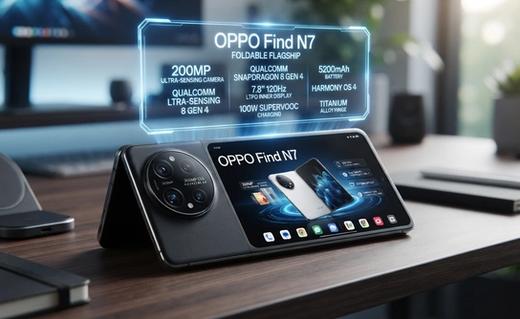
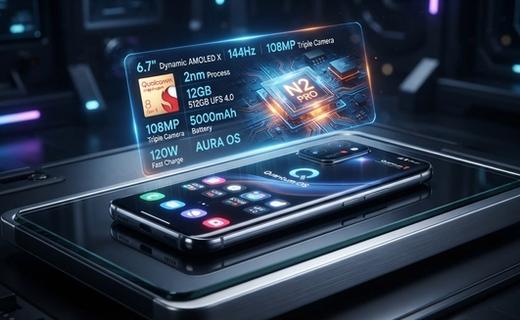
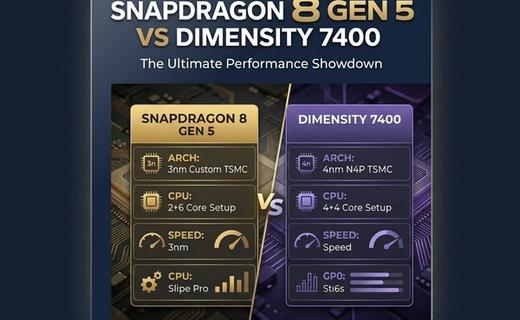
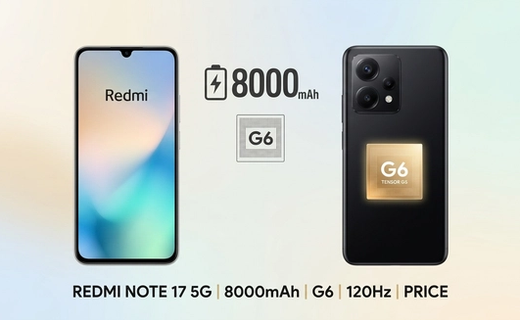
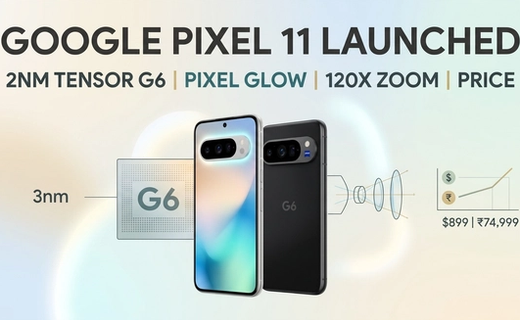
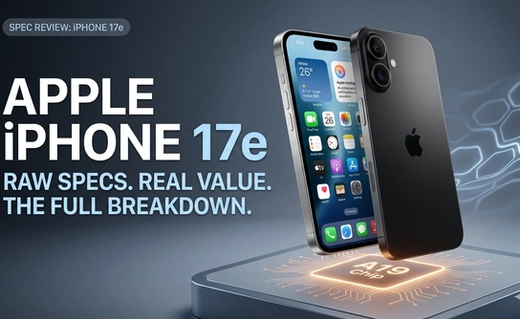
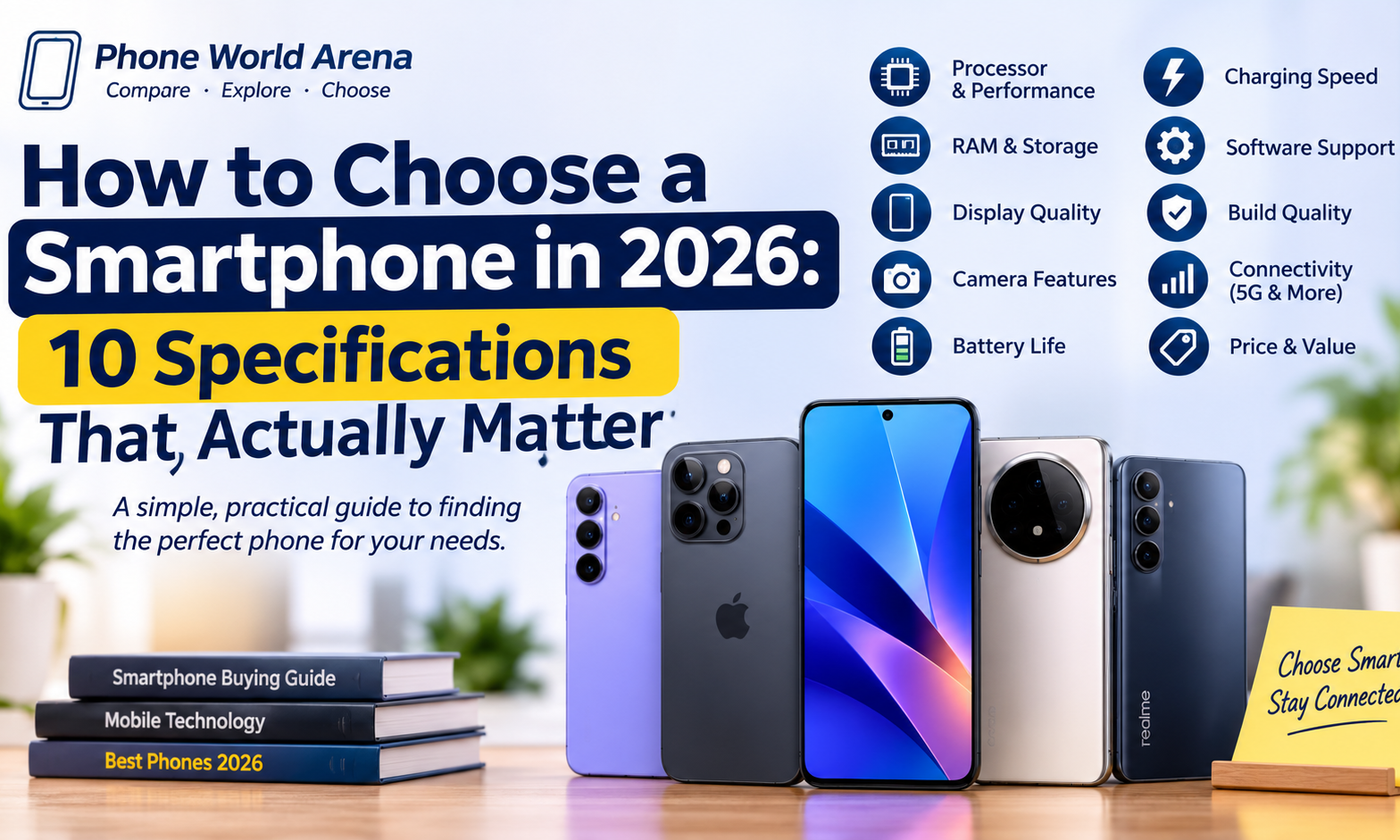
When considering how to choose a smartphone in 2026, the core performance components—the processor, RAM, and storage—are fundamental to the device's overall speed and responsiveness. The processor, often referred to as the System-on-a-Chip (SoC), is the brain of your phone, dictating how quickly apps open, games run, and complex tasks are handled. A more powerful processor ensures a smoother user experience, especially with demanding applications or multitasking. While specific benchmark scores can be insightful, a general understanding of the latest generation chips from manufacturers like Qualcomm, Apple, and MediaTek will guide you towards a capable device.
RAM, or Random Access Memory, works in conjunction with the processor to manage active applications. Think of RAM as your phone's short-term memory; the more RAM you have, the more apps you can keep open simultaneously without experiencing slowdowns or forced reloads. For most users in 2026, 8GB of RAM is a comfortable baseline, allowing for seamless transitions between social media, browsing, and light gaming. Power users or those who frequently edit photos and videos on their phones might benefit from 12GB or even 16GB of RAM to ensure optimal performance. However, simply chasing the highest number isn't always necessary, as software optimization also plays a significant role in how efficiently RAM is utilized.
Storage capacity is another critical specification, determining how many apps, photos, videos, and documents you can store directly on your device. With high-resolution cameras and increasingly large app sizes, internal storage fills up quickly. While cloud storage offers a convenient alternative, having ample local storage is invaluable for offline access and faster data retrieval. In 2026, 128GB should be considered the absolute minimum for a new smartphone, with 256GB or 512GB being more advisable for the average user to avoid running out of space prematurely. Some phones still offer expandable storage via microSD cards, providing a flexible option for those who need even more room, though this feature is becoming less common in flagship models.